
Wood Surface Treatment & Restoration
Wood Finishing, Finish Removal, and Stain Treatment — With Exact Values and Chemical Mechanisms
Start Woodworking Now is a technical reference covering the complete lifecycle of a wood surface: removing an old finish or stain, selecting and applying the right new finish for the species and use, fixing application failures, and maintaining the result over years. Every protocol includes the specific dwell times, finish compatibility data, chemical mechanisms, and safety requirements needed to complete the process correctly on the first attempt.
By Adrian Tapu — Every guide here is built to answer the question most finishing content skips: not just which step to take, but what is physically happening in the wood and the materials, so you can adapt when your species, product, or conditions don’t match the tutorial.
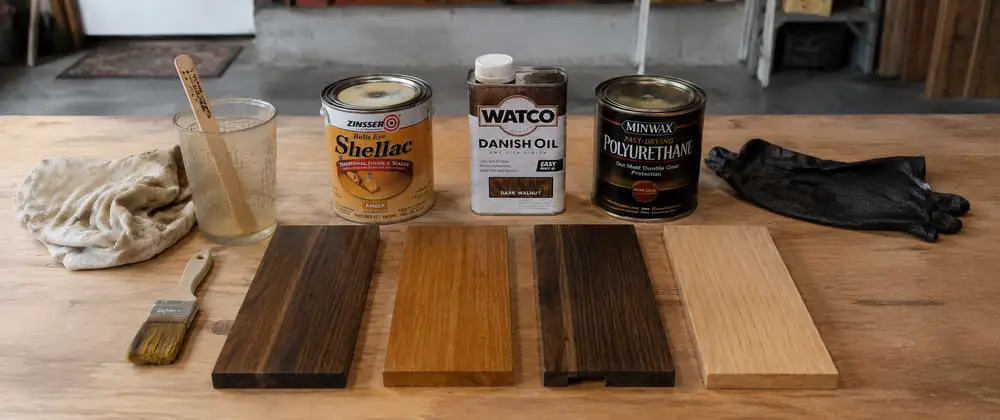
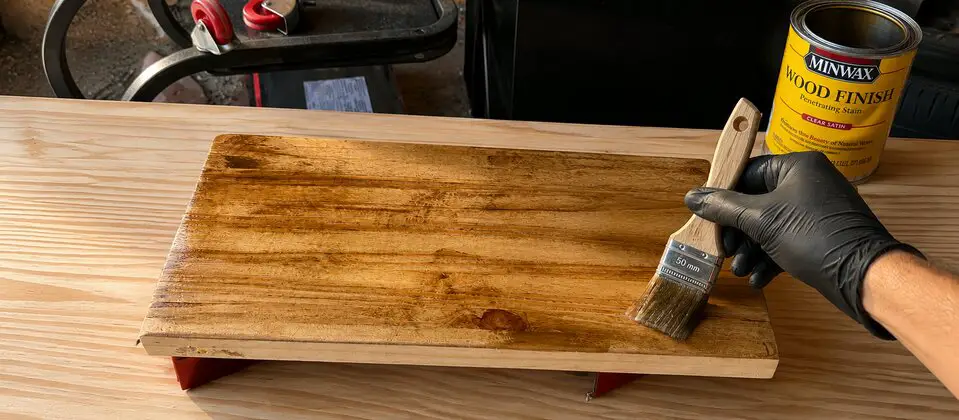
A finish being applied and inspected — every guide on this site explains the mechanism behind the result, not just instructions copied from manufacturer labels.
Start with your situation
→ I have bare wood and need to choose a finish — Interactive finish selector or complete finishing guide
→ I have an old finish that needs to come off — Identify the finish first, then use the correct removal protocol
→ My finish is worn — but maybe salvageable — Strip vs Recoat decision tool
→ There is a stain or mark on my wood — Stain removal by stain chemistry
→ My finish is fine but needs upkeep — Clean and maintain by finish type, or recoat vs refinish decision
→ My new finish has a problem — tacky, cloudy, brush marks, blotchy, yellowing — finish troubleshooting index
Complete Guides
Interactive Tools
Each tool returns the answer and the mechanism behind it. Grouped by where they help in a project — planning a new finish, or working with a surface that already has one.
Before You Apply
Working With an Existing Finish
Most Popular Guides
Finish Removal
Stain Removal
Comparisons, Definitions, Application & Troubleshooting
A few of the most-used guides in each category — the complete set is organised inside the finishing guide hub.
Comparisons
Application Guides
About the Author

I came to woodworking as a software tester by profession, and I bring the same habit to it: take nothing on faith, find the mechanism, verify what you can. Every guide here explains the why behind the result — the physical and chemical reasons a technique works — rather than repeating instructions copied from other sites or manufacturer labels.
What This Site Covers
Start Woodworking Now is a technical reference for wood surface treatment and restoration — every guide answers a variant of one question: how do I correctly treat, finish, or restore this wood surface? The site covers the complete lifecycle of a wood surface: removing an existing finish or stain, selecting and applying the correct new finish for the species and use, fixing application failures, and maintaining the result over years. Each guide includes the chemical mechanism behind the method, exact product specifications and dwell times, species-specific preparation, and safety protocols where chemicals or flammable materials are involved.
The content is organised into three hub guides — Wood Finish Removal, Wood Stain Removal, and Wood Finishing — each linking to detailed articles covering individual finish types, stain types, and application methods. Six interactive tools provide decision support for finish selection, compatibility checking, strip-vs-recoat assessment, and finish identification.