How to Remove Varnish from Wood: Chemical Stripper, Heat Gun, and Sanding Guide by Varnish Type
Removing varnish from wood requires identifying the varnish chemistry before selecting a stripper or method — because varnish is not
Read More
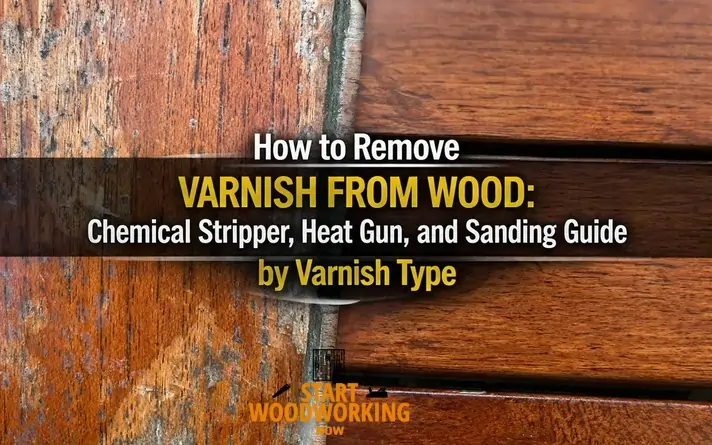
Removing varnish from wood requires identifying the varnish chemistry before selecting a stripper or method — because varnish is not
Read More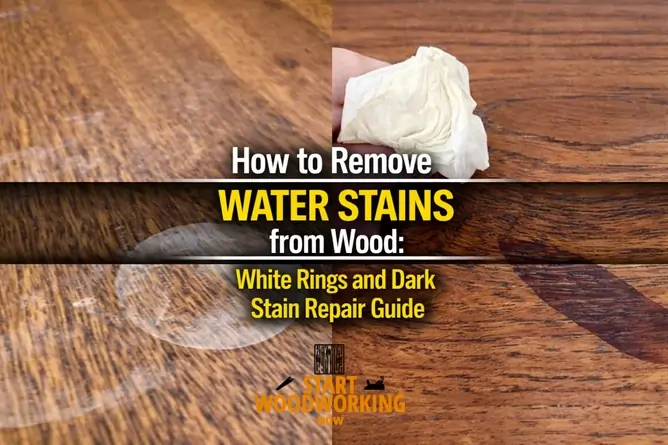
Water stains on wood fall into two chemically distinct categories that require different repair methods: white rings and cloudy patches
Read More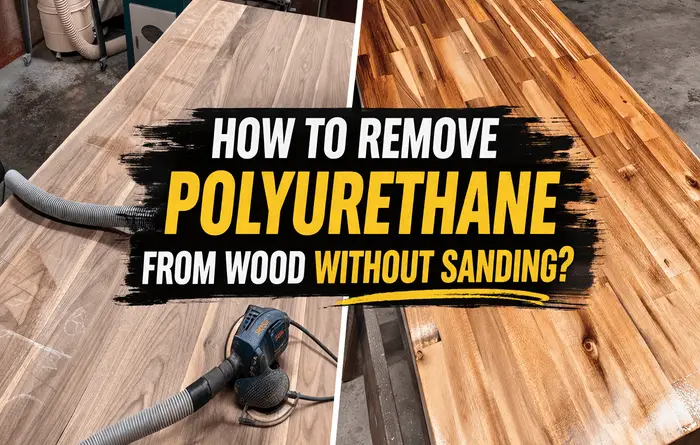
Removing polyurethane from wood without sanding relies entirely on chemical dissolution — a stripper penetrates and breaks the cross-linked polymer
Read More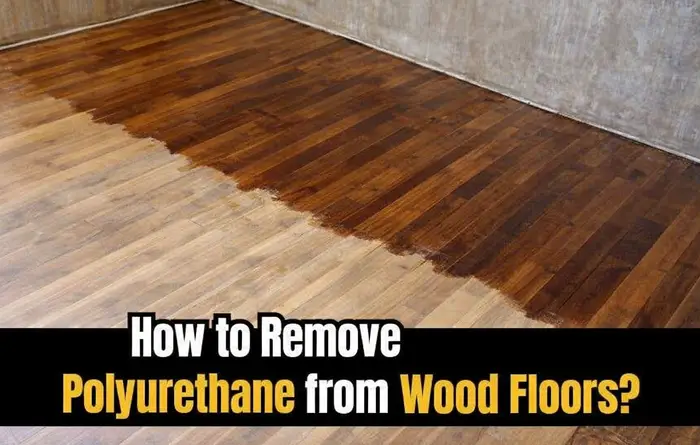
Removing polyurethane from wood floors requires stripping a cross-linked polymer film from a large horizontal surface using chemical strippers, mechanical
Read More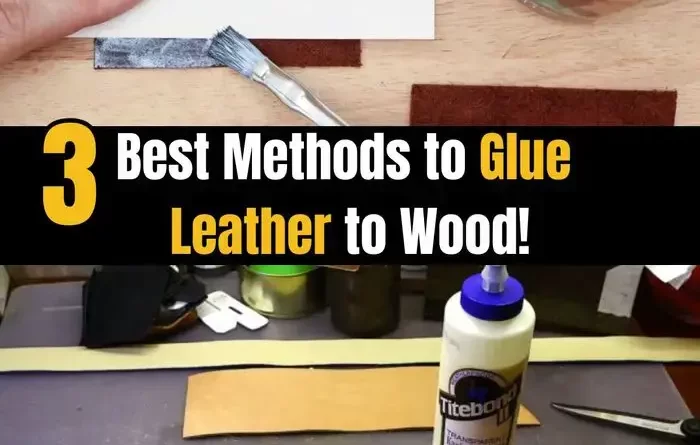
Today, I’m going to show you methods of adhering leather to wood—a skill that marries rugged beauty with natural elegance.
Read More
Gorilla Glue is a brand name covering six adhesive formulas with completely different chemistries — the correct removal method depends
Read More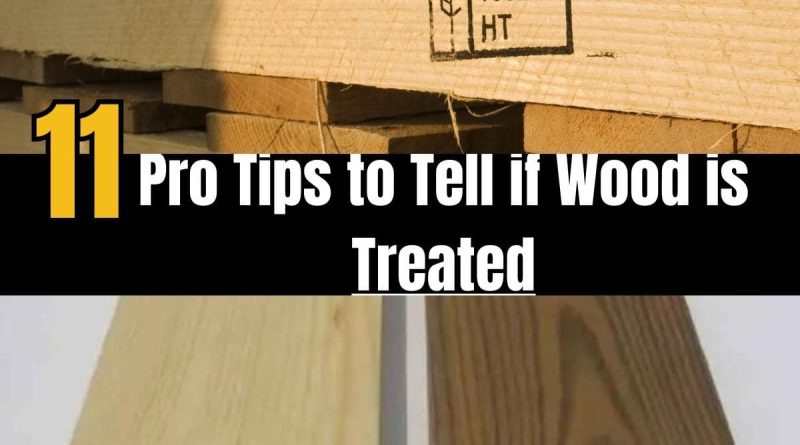
Unsure if that lumber is treated or not? With just a few simple checks, you can determine if wood has been
Read More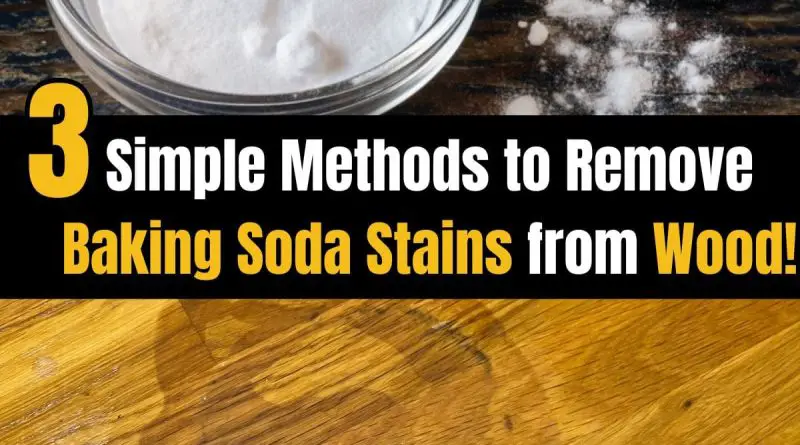
Got baking soda stains on your wood? Don’t worry! Just follow these steps: grab a soft cloth, make a vinegar-water
Read More
Ash stains wood through two distinct mechanisms depending on whether the ash is dry or has been wetted. Dry ash
Read More
Hair dye stains wood by depositing oxidative pigment molecules — typically p-phenylenediamine (PPD) compounds activated by hydrogen peroxide — into
Read More