Best Finish for Maple: Why It Blotches Even Worse Than Pine, and How to Stop It
This article is part of the wood finishing guide — covering finish selection, application, and the species-specific factors that determine
Read More
This article is part of the wood finishing guide — covering finish selection, application, and the species-specific factors that determine
Read MoreThis article is part of the wood finishing guide — covering finish selection, application, and the species-specific factors that determine
Read MoreThis article is part of the wood finishing guide — covering finish selection, application, and the species-specific factors that determine
Read More
This article is part of the wood finishing guide — covering finish selection, application, and the species-specific factors that determine
Read MoreProtection fails in finishing work for one reason above all others: the equipment looks adequate. A dust mask against solvent
Read More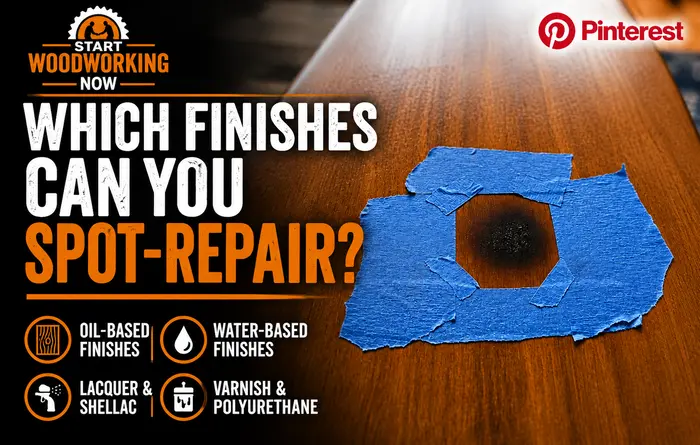
Part of Thermoplastic vs Thermoset Finishes · Wood Finishing Guide → Repairability Thermoplastic finishes — lacquer and shellac — can
Read More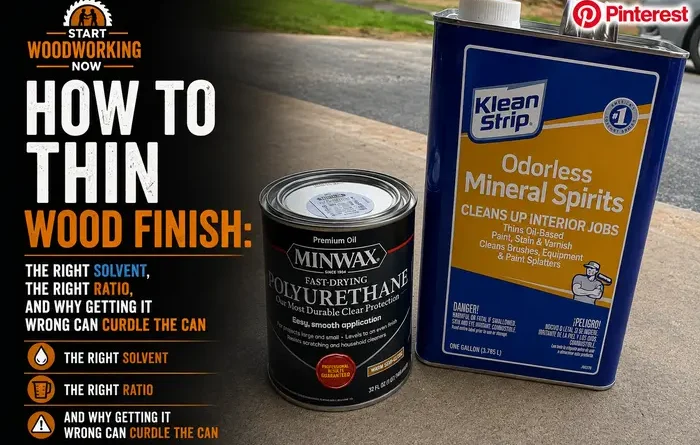
Using the wrong thinner for a finish isn’t just a minor inefficiency — for water-based products especially, introducing an incompatible
Read More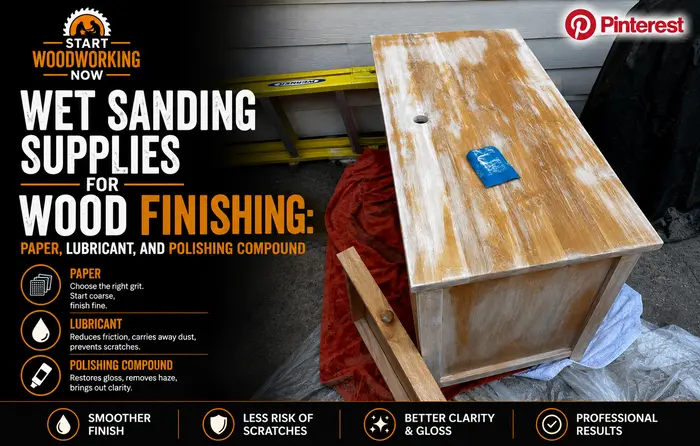
Wet/dry sandpaper uses a different abrasive mineral than ordinary dry sanding paper for a specific mechanical reason, and the lubricant
Read More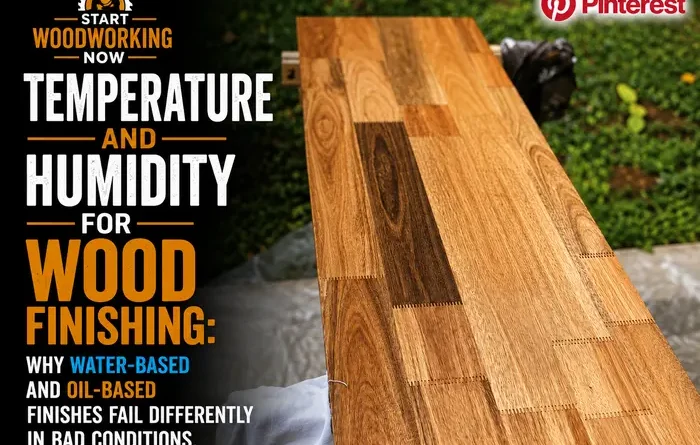
Water-based finishes have a hard temperature threshold below which the film never properly forms regardless of how long you wait,
Read MoreThe most expensive mistake in finishing is using a piece too soon. “Dry to the touch” happens in hours; real
Read More