Strip vs Recoat Wood Finish -5-Question Decision Tool
Whether to strip wood finish to bare wood or simply recoat over the existing surface depends on one thing: whether
Read More
Whether to strip wood finish to bare wood or simply recoat over the existing surface depends on one thing: whether
Read More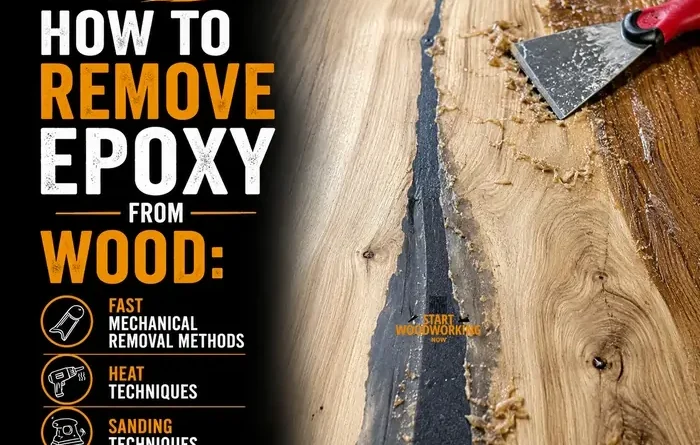
Removing epoxy from wood is fundamentally different from removing any other wood finish. Once epoxy fully cures, it becomes a
Read More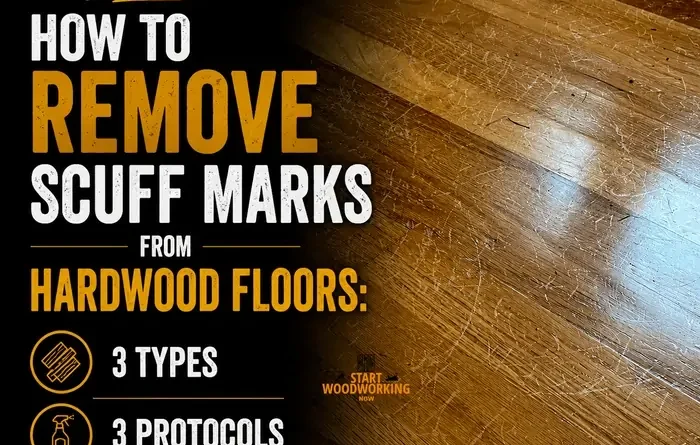
Scuff marks on hardwood floors are not all the same problem. Three distinct mechanisms produce marks that look similar but
Read More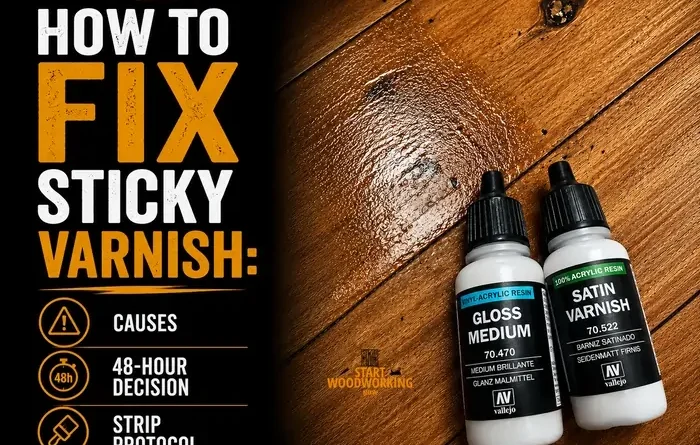
Sticky varnish is almost always a curing problem, not a product problem — the varnish has been applied under conditions
Read More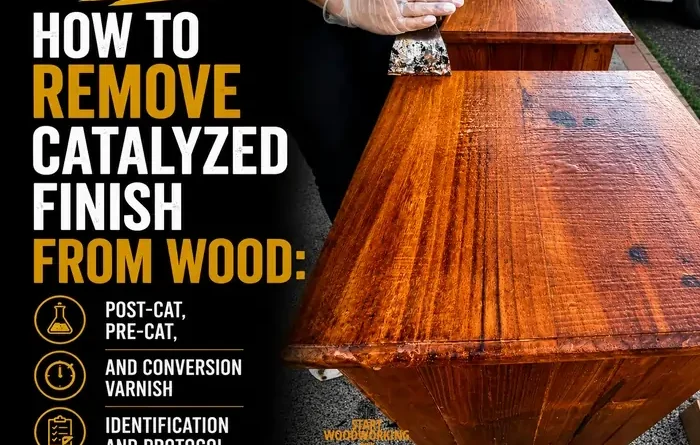
Catalyzed finishes — post-catalyzed lacquer, pre-catalyzed lacquer, and conversion varnish — cover the majority of professional cabinetry, custom furniture, and
Read More
Removing an old finish from wood is a three-variable problem, not a one-step job. The first variable is finish type
Read More
Most hardwax oil removal failures happen because people treat Rubio Monocoat or Osmo Polyx like polyurethane. Standard paint strippers remove
Read More
Chemical stripper dwell time is not a fixed number. It changes with every combination of finish type, stripper chemistry, coat
Read More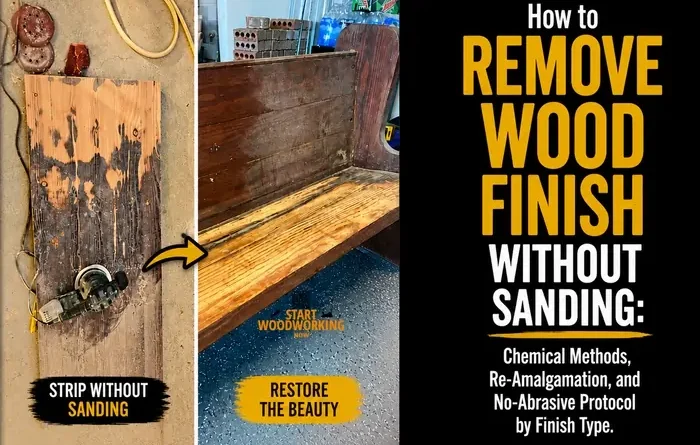
Removing wood finish without sanding depends on one critical factor: the type of finish. Some finishes, like shellac and lacquer,
Read More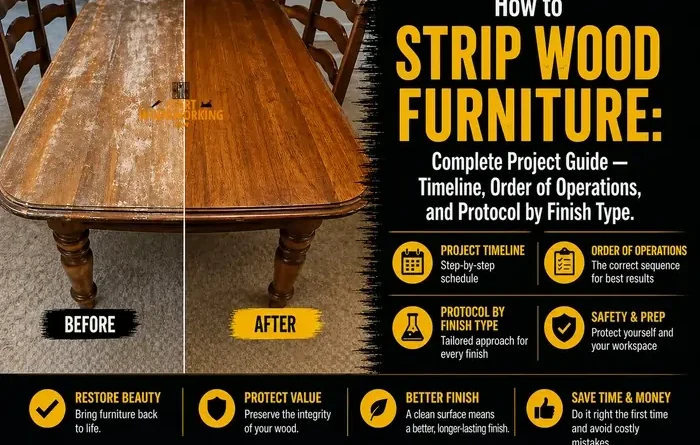
Stripping wood furniture is often presented as a quick, one-day task. In practice, it’s a controlled, multi-stage process where timing,
Read More