How to Remove Wood Stain from Wood: Pigment Stain, Dye Stain, and Gel Stain Removal Protocol by Stain Type
Wood stain is not a single substance — it exists as three chemically distinct types that respond to completely different
Read More
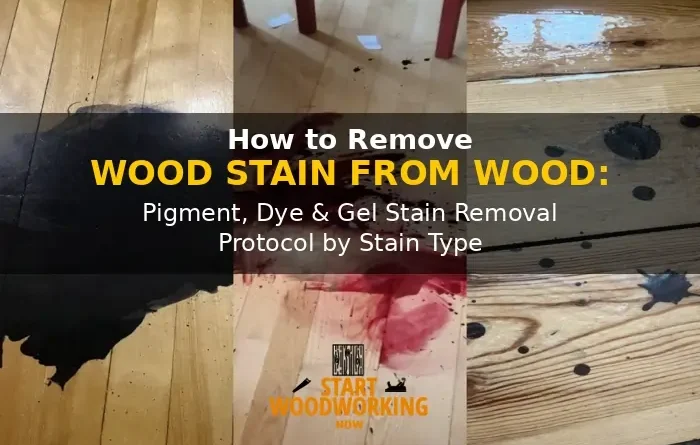
Wood stain is not a single substance — it exists as three chemically distinct types that respond to completely different
Read More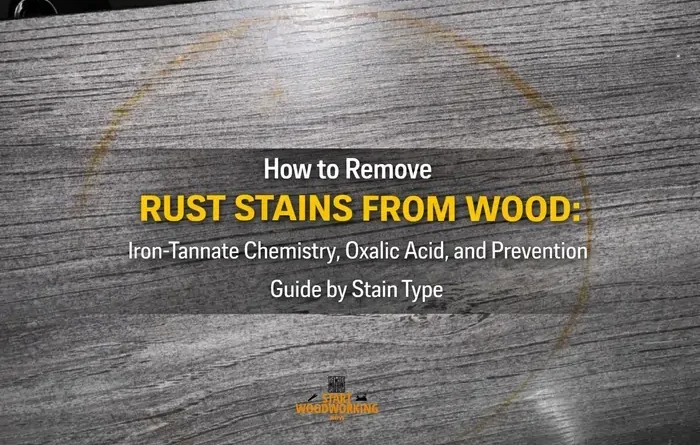
Rust stains on wood are caused by three distinct mechanisms that each require a different treatment approach. Iron-tannate stains —
Read More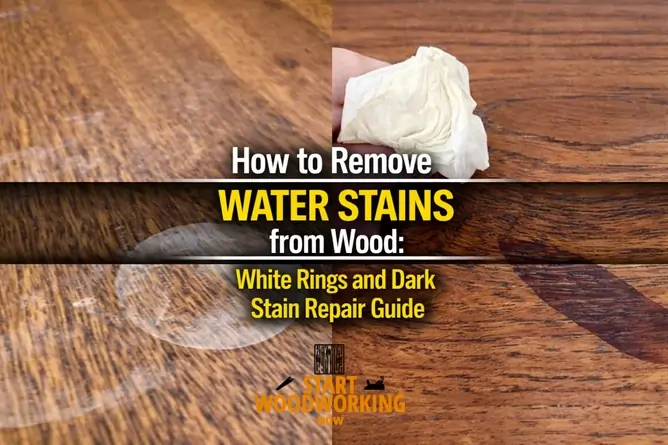
Water stains on wood fall into two chemically distinct categories that require different repair methods: white rings and cloudy patches
Read More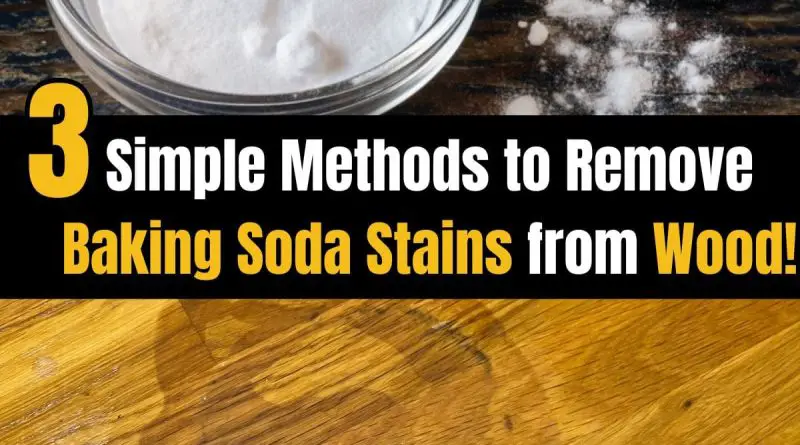
Baking soda (sodium bicarbonate, NaHCO₃) stains wood through two distinct mechanisms that require different treatments. The first and most common
Read More
Ash stains wood through two distinct mechanisms depending on whether the ash is dry or has been wetted. Dry ash
Read More
Hair dye stains wood by depositing oxidative pigment molecules — typically p-phenylenediamine (PPD) compounds activated by hydrogen peroxide — into
Read More
JB Weld is a two-part bisphenol-A epoxy resin cured with an amine hardener and filled with iron powder and silica.
Read More
Expanding foam — polyurethane foam sealant (PU foam) — is moisture-activated polyurethane that cures by reacting with ambient humidity. The
Read More
Battery acid stains on wood require different neutralising agents depending on the battery type — because the two battery chemistries
Read More
Egg stains on wood require cold water — never warm or hot. Egg white (albumin) and egg yolk proteins coagulate
Read More